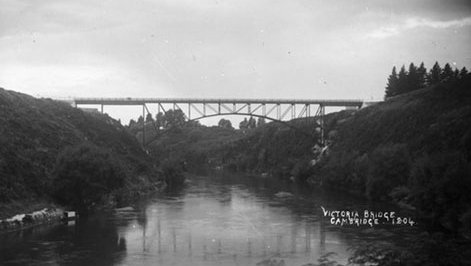
The connection of Cambridge to Leamington and Te Awamutu was an important link in the early roading system. The first …
Learn more
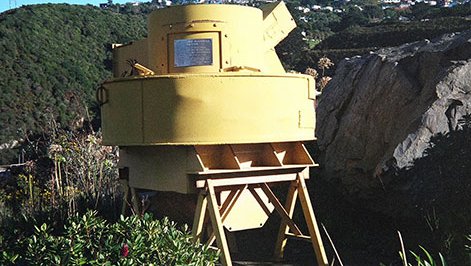
The Barmac aggregate impact crusher was invented by Jim MacDonald when he was Deputy City Engineer, Wellington. In the 1970s …
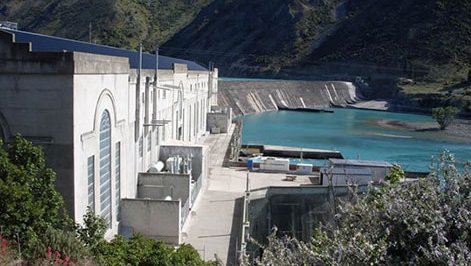
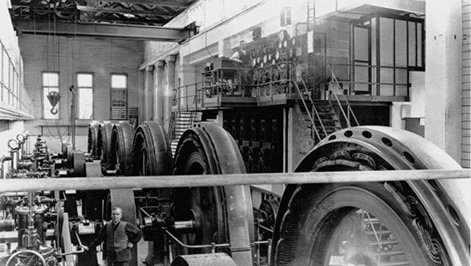
By the mid-1920s it was clear that the power stations at Lake Coleridge and Waipori were not going to keep …
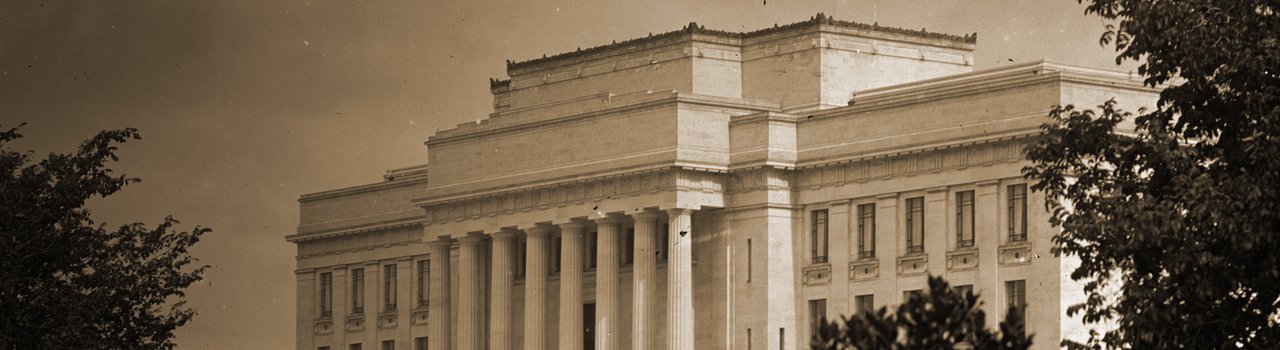
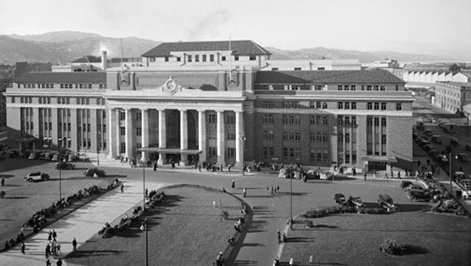
When opened in 1937, this railway station was New Zealand’s largest building and one of the first seismic proofed structures …
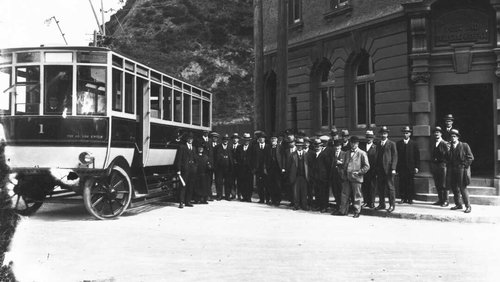
Wellington's trolley buses were characteristic features of the capital city’s streets. The system's first route opened in 1924 and was …
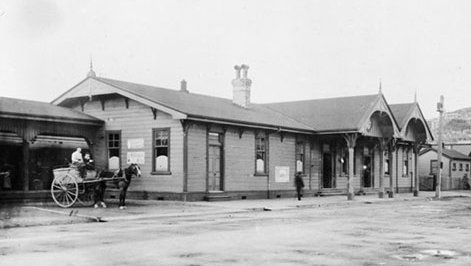
Prior to the completion of the current Wellington Railway station in 1937, Wellington city had many different railways stations. The …
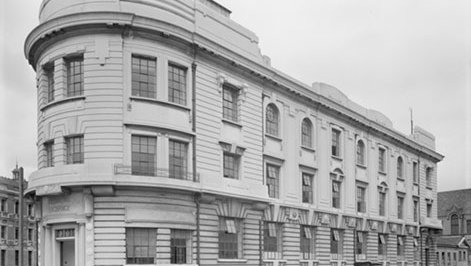
Wellington’s Central Telephone Exchange stands on a site used for this function since 1887, although this current building (completed in …
The high voltage direct-current (HVDC) link between Benmore and Haywards is a 600 megawatt (MW), 500 kilovolt (kV) HVDC transmission …
Initially commissioned for the Waihi Gold Mining Company in 1914, the Horahora Power Station was submerged in 1947 when the …
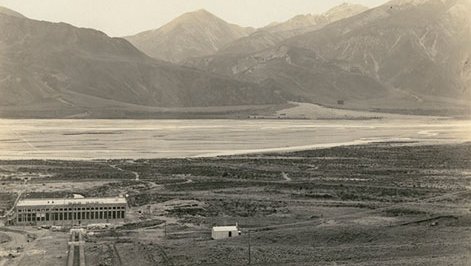
The New Zealand government's first major involvement in electric power supply was at Lake Coleridge on the Rakaia River. It …
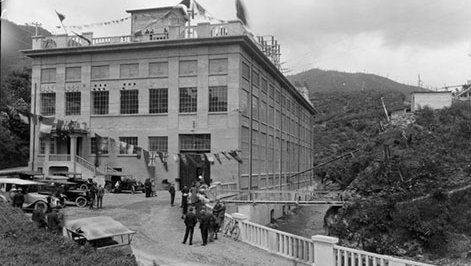
The Mangahao Power Station was the first of many large hydro power stations to be built in New Zealand under …
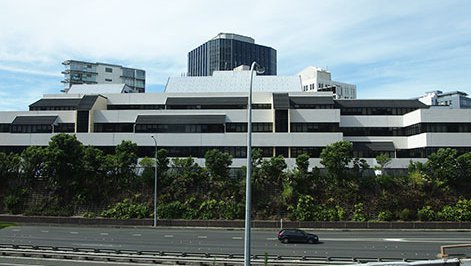
This Wellington building, opened in 1982, was the first office building in the world constructed using the "base isolation” principle …
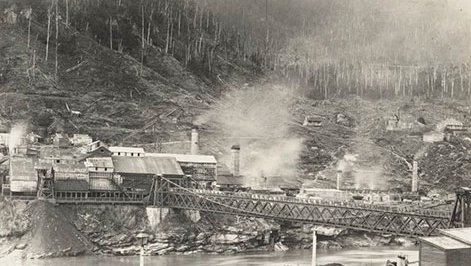
Early explorer and surveyor, Thomas Brunner (1821?–1874), was the first to identify bituminous coal fields in the Grey Valley in …
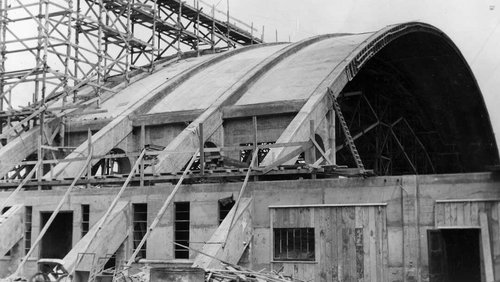
These hangars were constructed in 1939 as part of New Zealand’s defence strategy. Their design was also adopted for two …
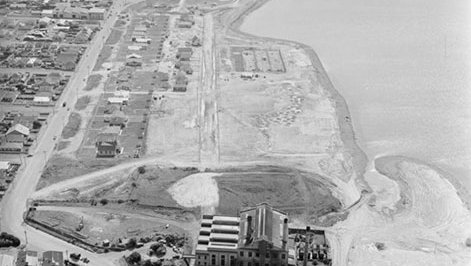
Wellington’s Evans Bay Power Station was commissioned in 1924 to boost the capital city’s electricity supply. The station was demolished …